FOCCUS Newsletter ISSUE 06
The Horizon Europe project FOCCUS aims to enhance Copernicus Marine Service's coastal dimension by developing innovative products and integrating Copernicus with Member States services. It facilitates seamless ocean monitoring and forecasting across global, regional, and coastal scales, reinforcing Copernicus research for challenges like coastal protection and sustainable blue economy development.
From innovation to lasting impact
As FOCCUS moves towards the final months of 2026, our focus is increasingly on bringing together the project's scientific achievements, practical applications and opportunities for continued uptake.
In this edition, we highlight two recent developments demonstrating how innovative observation methods, artificial intelligence and open data are helping address real coastal challenges — from monitoring harmful algal blooms along the Norwegian coast to tracking shoreline changes in the Balearic Islands.
We also look back at the first EDITO Projects Forum Days, where European projects came together to strengthen collaboration around the European Digital Twin Ocean.
Most importantly, we invite you to join us on 10 December for the FOCCUS Final Stakeholder Workshop, an opportunity to explore project results, exchange perspectives and discuss how FOCCUS innovations can continue supporting European coastal services beyond the project's lifetime.
We look forward to seeing you there!
Angeliki Karampourouni
Communications Lead, FOCCUS
Join us on 10 December: FOCCUS Final Stakeholder Workshop
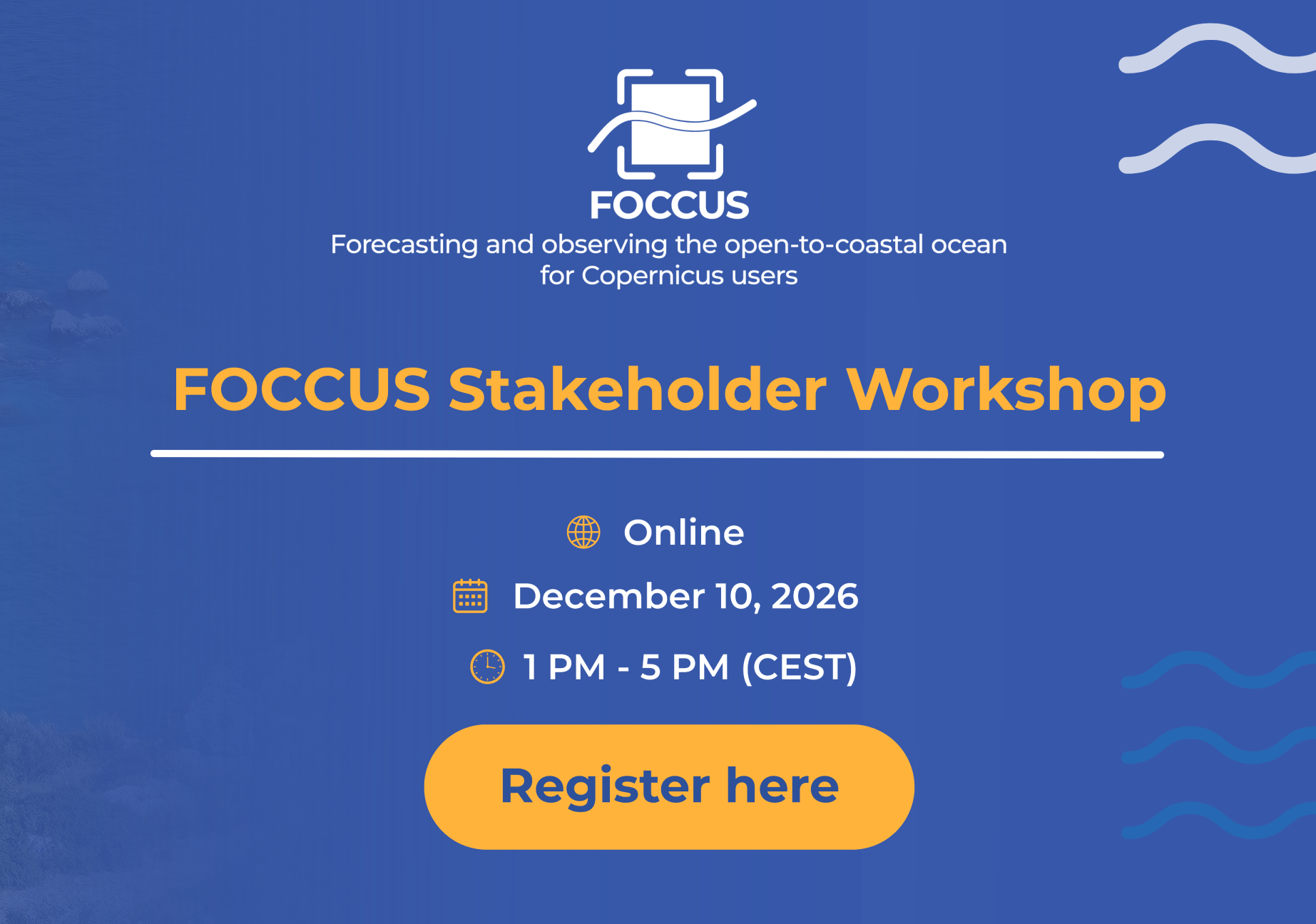
As FOCCUS approaches its conclusion, we invite researchers, policymakers, operational service providers and coastal stakeholders to join our Final Stakeholder Workshop. The online event will showcase key project achievements, from innovative coastal observation products and AI-enhanced modelling to co-designed applications addressing coastal resilience, environmental management and Blue Economy needs.
Beyond presenting results, the workshop will provide an opportunity to exchange perspectives on future priorities and explore pathways for integrating FOCCUS innovations into the Copernicus Marine Service, the European Digital Twin Ocean (EDITO) and Member State coastal systems.
Be part of the conversation on the future of European coastal intelligence!
New dataset helps assess harmful algal bloom risks along the Norwegian coast
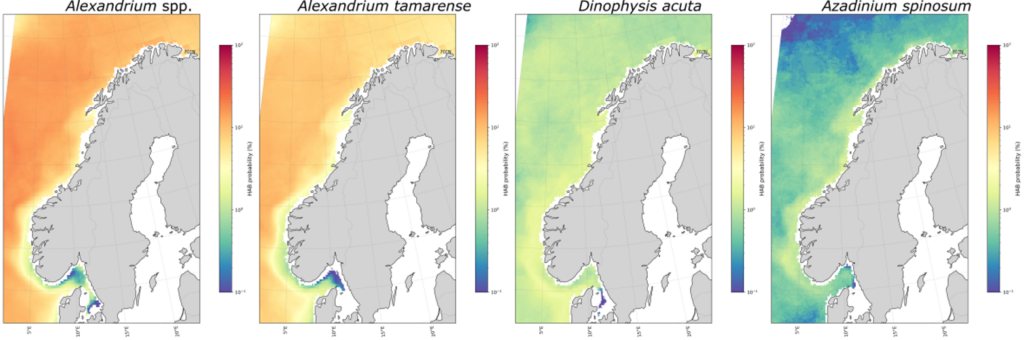
Harmful algal blooms pose significant challenges for marine ecosystems, food safety and coastal aquaculture. Improving our ability to identify where and when these blooms may occur is essential for more effective monitoring and risk assessment.
Within FOCCUS, researchers at the Nansen Environmental and Remote Sensing Center (NERSC) have developed a new probabilistic dataset combining long-term biological observations, satellite information, Copernicus Marine model products and machine learning.
The dataset provides weekly maps of the probability of occurrence of four harmful algal taxa along the Norwegian coast, supporting more targeted environmental monitoring and improved understanding of bloom risks.
Freely available to researchers and coastal stakeholders, this new product demonstrates how advanced data integration can transform existing observations into valuable information for coastal management and sustainable aquaculture.
Read the full article and access the dataset →
Smarter coastal monitoring: Combining citizen science and AI to track shoreline change
What if photographs taken by beach visitors could help scientists monitor coastal erosion?
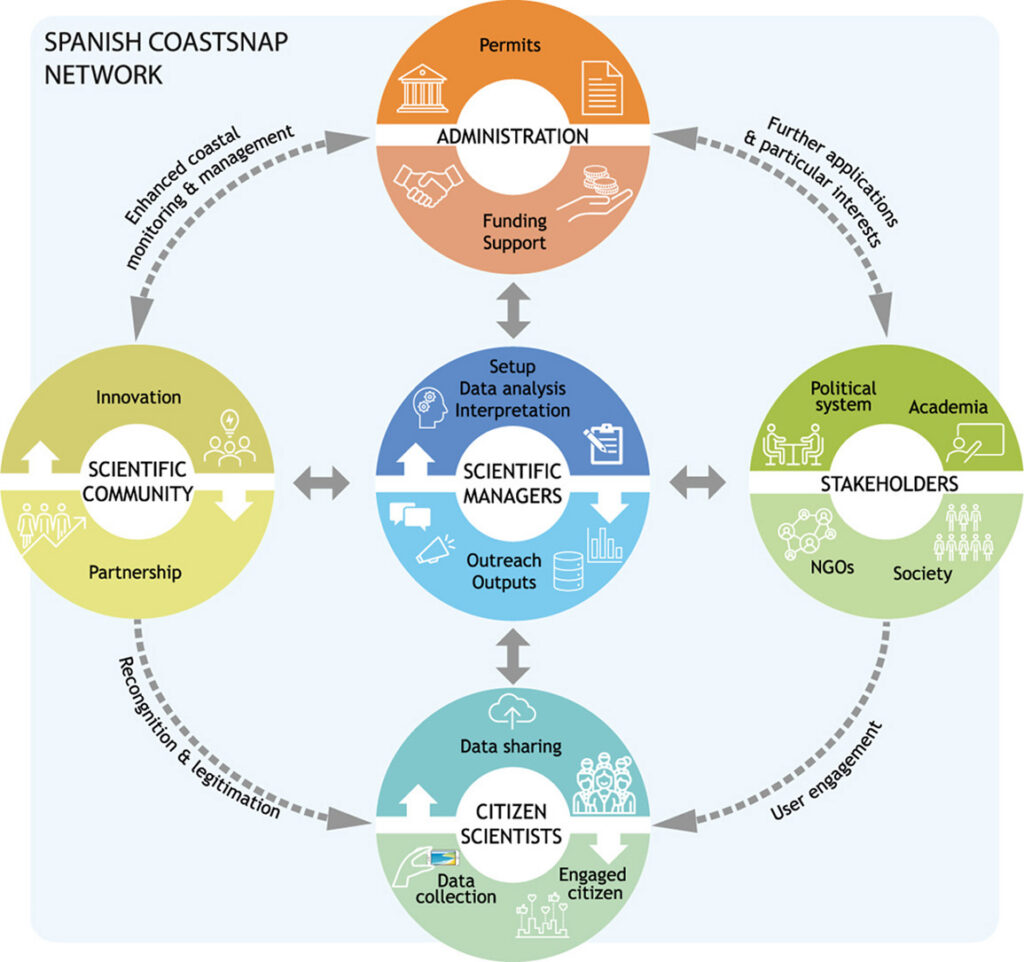
Through FOCCUS, researchers at the Balearic Islands Coastal Observing System (SOCIB) and the University of the Balearic Islands are demonstrating how citizen science and artificial intelligence can work together to improve shoreline monitoring.
Building on photographs collected through the CoastSnap Balears initiative, researchers have developed an open-source deep learning tool that automatically identifies shoreline positions, even under challenging environmental conditions.
The approach enables rapid processing of large numbers of coastal images and generates georeferenced shoreline datasets that can support coastal planning, erosion assessments and climate adaptation.
With both tools and datasets openly available, this work highlights how community participation and AI can work together to make coastal monitoring more accessible and scalable.
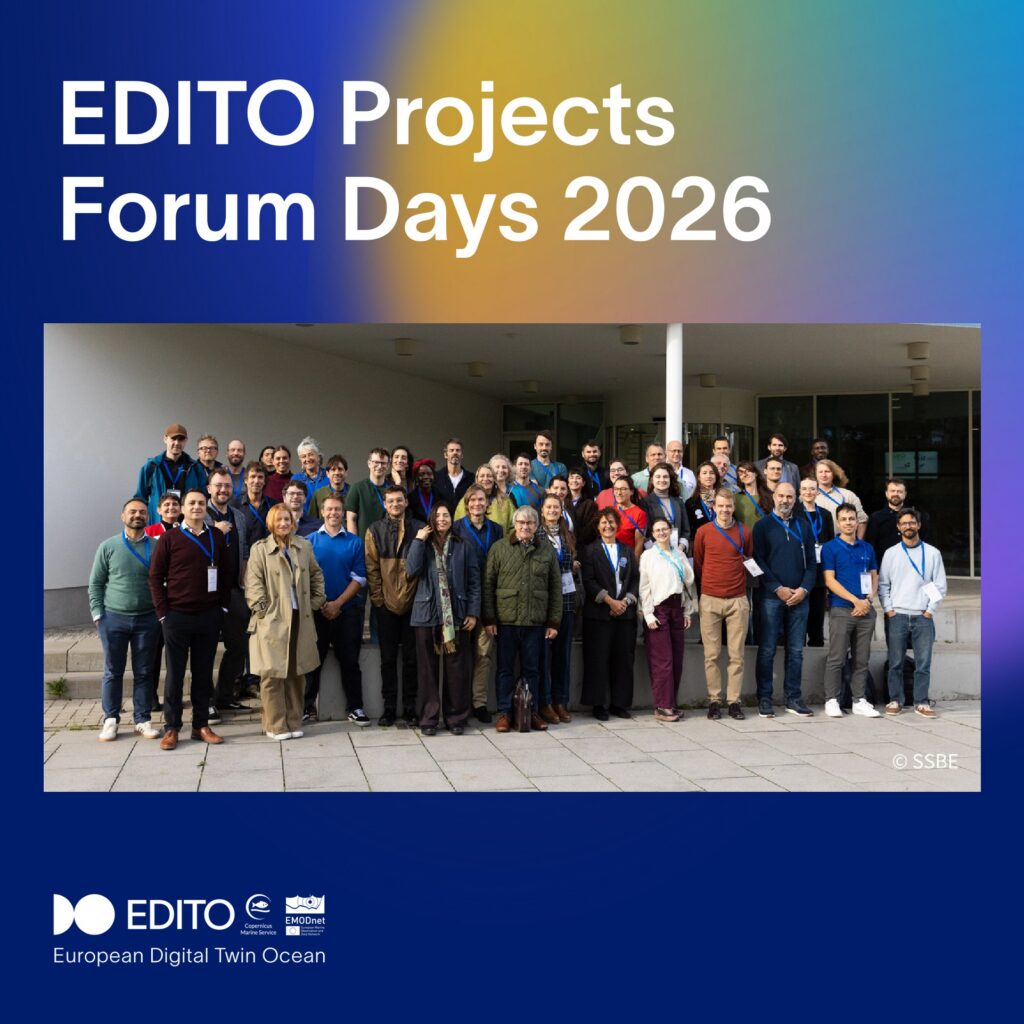
FOCCUS connects with the European Digital Twin Ocean community
On 21–22 October, FOCCUS participated in the first EDITO Projects Forum Days, hosted by the Flanders Marine Institute (VLIZ) at the InnovOcean Campus in Ostend, Belgium.
The event brought together 23 European and international projects contributing to the development of the European Digital Twin Ocean, offering opportunities to exchange knowledge, explore synergies and gain hands-on experience with the EDITO platform.
For FOCCUS, engagement with EDITO is an important part of making coastal data, models and applications more accessible and supporting their continued use beyond the project's lifetime.
With the FOCCUS seagrass coastal protection application already onboarded to EDITO and further applications being prepared, the collaboration is helping connect project innovations with Europe's evolving digital ocean infrastructure.
Looking ahead
As FOCCUS enters its final phase, work continues across the consortium to consolidate scientific results, advance coastal applications and strengthen pathways towards operational uptake.
Call for Papers — Ocean Science Special Issue
The FOCCUS Special Issue, “Advances in European Coastal Observations and Forecasting for Climate Resilience”, remains open for contributions from the wider scientific community.
Submission deadline: 15 December 2026.
We also look forward to welcoming the FOCCUS community and external stakeholders to our Final Stakeholder Workshop on 10 December.
Stay connected through the FOCCUS website and social media channels for further project updates!